


Claude VonStroke’s Wrong Number: A Quiet Rebellion Against Dance Music’s Maximalism
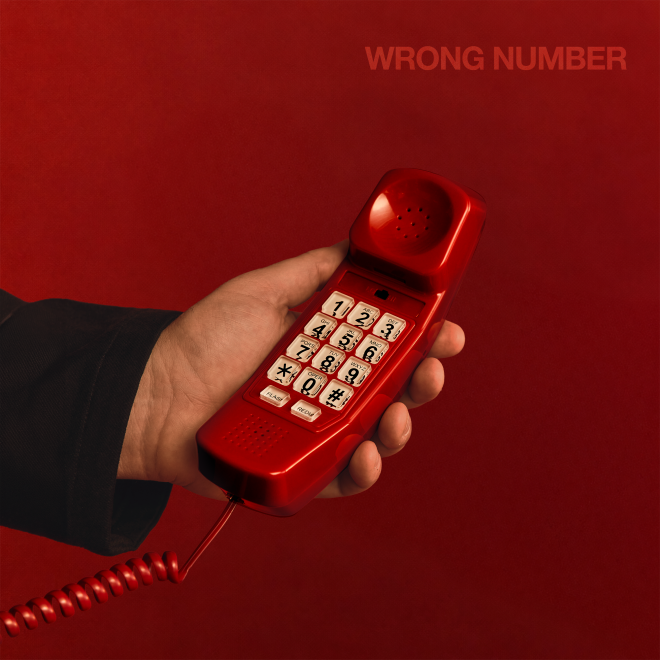
Claude VonStroke returns with an album that deliberately avoids the mechanics currently driving dance music visibility. Wrong Number arrives without crossover features, festival-scale dramatics or engineered peaks. Instead, the record narrows its focus toward late-night club functionality: restrained grooves, dry percussion and subtly distorted house music built for smaller rooms.
More than twenty years into his career, the American producer appears increasingly uninterested in scale for its own sake. The maximalism that now dominates large sections of dance music barely enters the frame here. There are no oversized vocal moments designed for social media circulation, no obvious attempts to chase streaming momentum, and very little interest in the polished formulas currently shaping festival-facing house music. Wrong Number operates with different priorities.
“I’m only playing special rooms for people who love music, intimate spaces that can appreciate the sound and the camaraderie of being together,” VonStroke says.
That mindset runs throughout the album. Tracks like “Two Line Groove” and “Static in the Deep End” rely on patience rather than release, allowing tension to build gradually through repetition, texture and small rhythmic shifts. The production feels intentionally stripped back, but never skeletal. Details sit low in the mix, revealing themselves slowly instead of competing for attention.
The record becomes even more personal through its vocal approach. Nearly every voice across the project comes from inside the VonStroke household. His son Jasper performs most of the sung passages and vocal fragments woven throughout the album, while his daughter Ella appears on several tracks as well. The title track includes a recorded phone exchange between Claude and his wife Aundy, reinforcing the sense that Wrong Number was built inside a closed creative environment rather than assembled through external collaborations.
Jasper, currently studying pop vocals at USC, will also join sections of the upcoming U.S. tour as an opening DJ. In another era, guest-heavy feature lists might have expanded the album’s reach. Instead, VonStroke keeps the project deliberately self-contained, giving the record a rawness that feels increasingly uncommon within contemporary dance releases.
There are clear traces of the minimal and microhouse traditions associated with labels such as Playhouse, Poker Flat and Planet E, particularly in the way the album handles space and repetition. But Wrong Number avoids straightforward revivalism. The reference points function more as structural influences than aesthetic nostalgia. The result feels less like a return to an earlier period than a conscious rejection of current excess.

That same philosophy shapes the touring strategy surrounding the release. Rather than pursuing large-scale festival visibility, VonStroke has focused the first run of shows around smaller venues across Europe and Japan, including Panorama Bar in Berlin, Culture Box in Copenhagen and Gewölbe in Cologne. Some of the rooms hold only a few hundred people.
The move reflects a broader shift that has defined this phase of his career. After selling the Dirtybird empire in 2022, VonStroke stepped away from the infrastructure he spent years building and returned to a more studio-focused process. Wrong Number feels shaped by that recalibration. Not as a reinvention narrative, but as an artist reducing his practice back to the elements that first made it meaningful to him.
Even the album’s humour feels understated. Titles like “Busted Ass Deejays” and “Only Call The Land Line” carry the same dry, slightly crooked tone that runs through the production itself. Nothing here is presented with excessive seriousness, but neither is it detached or ironic.
At a moment when much of dance music appears increasingly optimised for visibility, Wrong Number gains its strength from resisting that logic altogether. The album does not position itself as a corrective statement or a nostalgic manifesto. It simply follows a different set of instincts, prioritising intimacy, control and personality over scale.
